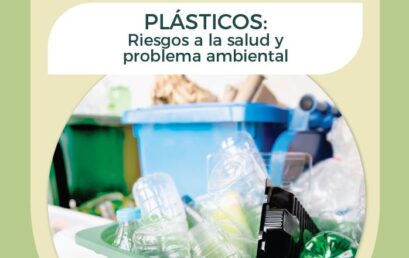
Introduction Plastics: Health risks and environmental problem
This chapter explains how the design of the book is, prepared for the education and training of environmental educators and people interested in the subject of plastics. It is organized into eight units that address the issue of plastics as a health risk and an environmental problem, especially when some […]
Module 1 Generation of solid waste or garbage
This unit introduces the topic of solid waste, the different types of waste that are generated and the consequences that mismanagement of these can generate. It offers alternatives to avoid bad disposal practices and guides readers so that they can carry out a correct classification of the various wastes.

Module 2 A world of plastic
This unit takes a historical tour of the origin of plastic and the reasons why and how this material simultaneously has advantages and disadvantages of environmental impact and human health. From the extraction, production and use of plastic materials, all the necessary process for the elaboration of […]
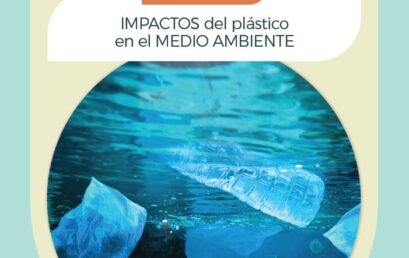
Module 3 Impacts of plastic on the Environment
This unit shows how plastic waste, which originates mainly from land-based sources, disrupts various ecosystems, mainly aquatic. It introduces the concept of “plastic islands” as a global phenomenon, a phenomenon to which Guatemala is contributing disproportionately.
Module 4 Impacts of plastic on health
This unit explains how at each stage of the plastic life cycle it poses specific risks to human health. It warns how all the materials are made or contain chemical substances that can be transferred to the human body, thus allowing us to understand how the accumulated exposure to these substances is introduced into food, beverages, and […]
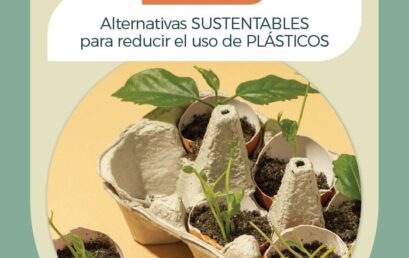
Module 5 Sustainable Alternatives to reduce the use of plastic
This unit addresses the issue of the use of plastic items in order to introduce new habits and some practices to take advantage of some of these materials. Alternatives are exposed to solve the problem of the excessive use of plastics, allowing to reflect on the decisions of consumption and use, which could contribute to improve their health [...]

Module 6 Recycling of plastic materials
This unit shows how plastic is widespread in the lives of all people, materials that have brought advantages and disadvantages, both personal and environmental. Various data and information show that recycling is very important, but it is not always possible and environmentally it is not always the best option, thus recognizing the need to […]
Module 7 Recycling of plastic materials
This unit introduces the concept of 'Environmental Justice', allowing reflection on some of the structural problems, such as systematic social exclusion and possible actors, which cause risk conditions for many populations. It emphasizes how active participation -personal and community-, through empowerment and agency, are important to generate significant changes that allow […]